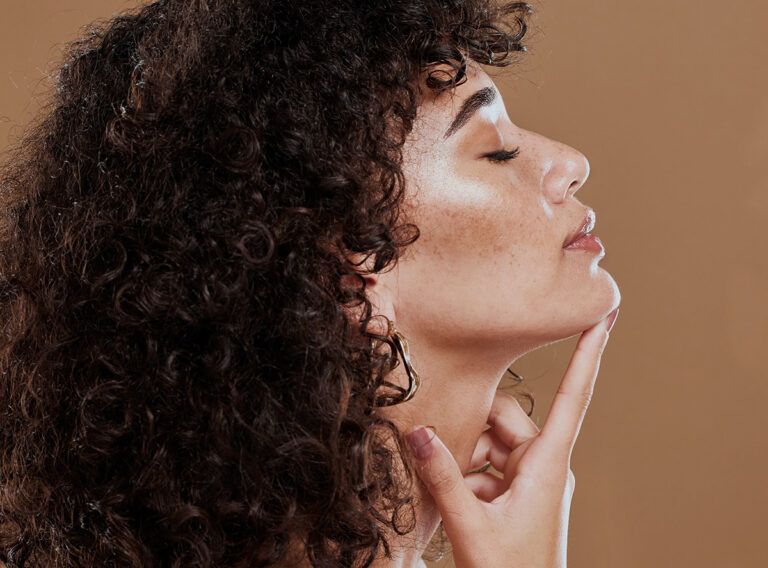





Laser skin resurfacing is a non-surgical cosmetic procedure used to improve the appearance of skin by targeting and removing damaged layers. It’s effective for reducing wrinkles, scars, sun spots, and uneven skin tone, resulting in smoother, more youthful-looking skin. There are various types of lasers that can be used depending on your skin and what you are trying to improve. Non-ablative lasers do not peel the skin and target discoloration issues. However, ablative lasers such as CO2 and Erbium are used to resurface the skin, improve texture, reduce wrinkles, and help with overall discoloration.
Who is a Candidate?
Candidates for laser skin resurfacing typically include individuals who have facial wrinkles, lines around the eyes or mouth, or fine lines due to aging or sun damage. Laser resurfacing can also be used on individuals with acne scars, surgical scars, or other scars that affect skin texture. Lasers can improve uneven pigmentation, sun spots (age spots), or blotchy skin.
Ideal candidates should be in good overall health, have realistic expectations about the outcomes of the procedure, and be committed to proper skin care and sun protection after treatment. Additionally, laser resurfacing is not always recommended for darker skin tones. It is important to consult with a board certified plastic surgeon for an individualized assessment.
Types of Laser Skin Resurfacing
- Ablative Lasers: These lasers remove outer layers of skin and stimulate collagen production. Examples include CO2 lasers and erbium lasers, which are effective for more significant skin rejuvenation but may require longer recovery times.
- Non-Ablative Lasers: These lasers target underlying skin layers without damaging the outer layer. They promote collagen production and are gentler, with minimal downtime. Examples include fractional lasers like Moxi or Broad Band Light.
What to Expect During the Procedure
During a laser skin resurfacing procedure:
- Preparation: Your skin will be cleaned, and a numbing cream or local anesthesia may be applied to minimize discomfort.
- Laser Treatment: The laser is precisely directed over the treatment area. You may feel a warming or tingling sensation as the laser works to remove damaged skin cells or stimulate collagen.
- Post-Treatment Care: After the procedure, your skin may be red, swollen, or feel sensitive, similar to a sunburn. Your doctor will provide specific instructions on skincare and medications to aid healing.
Post-Operative Recovery
Recovery from laser skin resurfacing involves:
- Healing Time: The downtime varies depending on the type of laser used. Ablative treatments may require 1-2 weeks for initial recovery, while non-ablative treatments may have minimal downtime.
- Skincare: Follow your doctor’s instructions for post-treatment skincare, including moisturizing and applying sunscreen to protect your healing skin.
- Results: Improvements in skin texture, tone, and reduction in wrinkles or scars can be seen gradually as the skin heals and regenerates.
Long-Term Care
To maintain results and optimize skin health after laser resurfacing:
- Sun Protection: Protect your skin from sun exposure by wearing sunscreen (SPF 30 or higher) and avoiding prolonged sun exposure.
- Skin Care Routine: Follow a recommended skincare routine tailored to your skin type and concerns, including moisturizers and products that support skin healing and collagen production.
- Follow-Up Visits: Attend follow-up appointments with your plastic surgeon to monitor healing progress and discuss additional treatments if needed. Before undergoing laser skin resurfacing or any cosmetic procedure, consult with a qualified dermatologist or plastic surgeon to discuss your goals, skin condition, and suitability for the procedure. Understanding the benefits, risks, and expected outcomes of laser resurfacing will help you make an informed decision about enhancing your skin’s appearance and achieving your desired aesthetic goals.