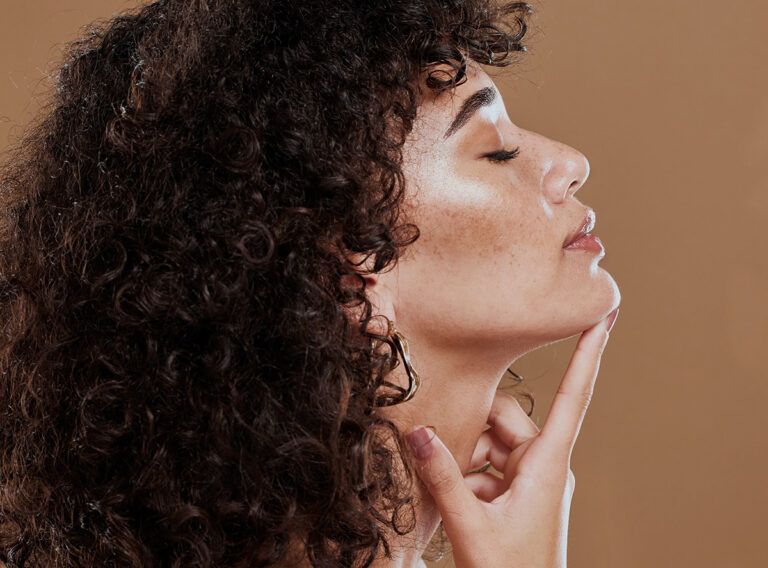





Facial fat grafting, also known as fat transfer to the face, is an advanced facial plastic surgery procedure that restores lost volume using a patient’s own fat. At Dr. Celeste Nagy’s practice, our team uses refined techniques to enhance facial contours while maintaining a natural, refreshed appearance. Patients throughout Riverside County, CA—including Palm Springs, Palm Desert, Rancho Mirage, and surrounding areas—choose facial fat grafting to address hollowing, volume loss, and age-related facial changes. This procedure offers a long-lasting, biocompatible alternative to synthetic fillers, improving facial balance and skin quality over time.
Why Facial Fat Grafting Matters to Healthcare Providers
For healthcare providers specializing in facial plastic surgery, facial fat grafting is an essential tool in comprehensive facial rejuvenation. Volume loss is a primary driver of facial aging, often leading to sunken cheeks, temples, and under-eye hollows. Offering fat grafting allows providers to restore volume in a way that integrates naturally with existing tissues. Because the patient’s own fat is used, the risk of allergic reaction is minimal. This procedure also supports long-term rejuvenation strategies by addressing both contour and skin quality. Including facial fat grafting in treatment options enables providers to deliver natural, durable results that enhance patient satisfaction and trust.
Signs You May Benefit From Facial Fat Grafting
Facial fat grafting may be appropriate when volume loss affects facial contours and overall appearance. Common indicators include:
- Hollow or sunken cheeks and temples
- Under-eye volume loss or shadowing
- Facial asymmetry caused by uneven fat distribution
- Thinning or flattened facial features due to aging
- Desire for longer-lasting results than dermal fillers
- Previous filler treatments with unsatisfactory or short-term outcomes
Why Facial Fat Grafting May Be Needed
Facial fat grafting may be needed when aging, weight changes, or genetics cause a gradual loss of facial volume. As fat pads in the face diminish over time, the skin can appear looser and less supported, leading to a tired or gaunt appearance. While dermal fillers can temporarily replace volume, they require ongoing maintenance and may not integrate as naturally with facial tissues. Fat grafting addresses this issue by using living cells from the patient’s own body to rebuild facial structure. This approach allows for soft, natural contours that move harmoniously with facial expressions. Additionally, transferred fat can improve skin texture and quality due to its regenerative properties. For many patients in Riverside County, facial fat grafting offers a more sustainable and natural solution for facial rejuvenation.
How Our Team Performs Facial Fat Grafting
Our team follows a meticulous, multi-step process to ensure precise placement and long-term fat survival.
- Personalized Consultation and Planning: The procedure begins with a detailed facial assessment and discussion of volume goals to determine optimal treatment areas.
- Gentle Fat Harvesting: Fat is carefully removed from a donor area, such as the abdomen or thighs, using minimally invasive techniques to preserve cell integrity.
- Fat Processing and Purification: The harvested fat is purified to isolate healthy fat cells suitable for transfer.
- Precise Facial Injection: Small amounts of fat are strategically injected into targeted facial areas to restore volume and create smooth, natural contours.
Preventing Ongoing Facial Volume Loss
While facial fat grafting provides long-lasting volume restoration, maintaining results involves proactive care. Protecting the skin from sun damage helps preserve elasticity and support underlying structures. Maintaining a stable weight is important, as significant weight fluctuations can affect facial fat volume. A healthy diet rich in nutrients supports skin health and overall tissue quality. Avoiding smoking is critical, as it impairs circulation and fat survival. Regular follow-ups with a facial plastic surgery provider help monitor changes and address concerns early. These preventive strategies work together to support long-term results and overall facial vitality.
The outlook for patients undergoing facial fat grafting is highly favorable when performed by an experienced surgical team. Once the transferred fat establishes a blood supply, results can be long-lasting and appear exceptionally natural. Patients often notice gradual improvement as swelling subsides and facial contours refine. Recovery is typically manageable, with most individuals resuming normal activities within a reasonable timeframe. Many patients appreciate the dual benefit of facial enhancement and subtle body contouring from the donor site. For patients in Palm Springs, Palm Desert, Rancho Mirage, and surrounding areas, facial fat grafting offers a reliable, natural-looking approach to facial rejuvenation.
Facial Fat Grafting FAQs
How long do facial fat grafting results last?
Once the transferred fat survives, results can be long-lasting. Some fat is naturally reabsorbed, but the remaining volume typically persists for years.
Is facial fat grafting safe?
Yes, the procedure is considered safe when performed by a qualified team of facial plastic surgeons. Using the patient’s own fat reduces the risk of allergic reactions.
Will fat grafting look natural?
Fat grafting produces soft, natural results that integrate seamlessly with facial tissues. Careful placement ensures balanced and refined outcomes.
How does fat grafting compare to fillers?
Fat grafting offers longer-lasting volume restoration, while fillers require ongoing maintenance. The best option depends on individual goals and anatomy.
When will I see the final results?
Initial swelling improves within weeks, with final results becoming visible over several months as the fat stabilizes.
Restore Natural Volume With Expert Care
Facial fat grafting provides a natural, long-term solution for restoring youthful facial contours and balance. At Dr. Celeste Nagy’s practice, our team is committed to delivering personalized facial plastic surgery care with refined, natural-looking results.
If you are considering facial fat grafting in Riverside County, CA—including Palm Springs, Palm Desert, Rancho Mirage, and nearby communities—schedule a consultation with our team today. We are here to help you explore your options and achieve refreshed, confident facial rejuvenation.